Longjing (Dragon Well) vs Tieguanyin (Iron Goddess)
Longjing (Dragon Well) vs Tieguanyin (Iron Goddess) — key differences in origin, oxidation, flavor, and brewing.
| Propriété | Longjing (Dragon Well) | Tieguanyin (Iron Goddess) |
|---|---|---|
| Catégorie | Green Tea | Oolong Tea |
| Origine | China | China |
| Oxydation | 2% | 30% |
| Caféine | 18,0 mg | 25,0 mg |
| Saison de récolte | Spring (March-April) | Spring, Autumn |
| Type de feuille | One bud one leaf, flat pressed | Tightly rolled balls |
Comparaison
Longjing (Dragon Well) and Tieguanyin (Iron Goddess) are two notable tea varieties that attract comparison from tea enthusiasts worldwide. Longjing (Dragon Well) belongs to the Green Tea category while Tieguanyin (Iron Goddess) is classified as Oolong Tea. Comparing these varieties reveals key differences in origin, processing, flavor, and brewing approach.
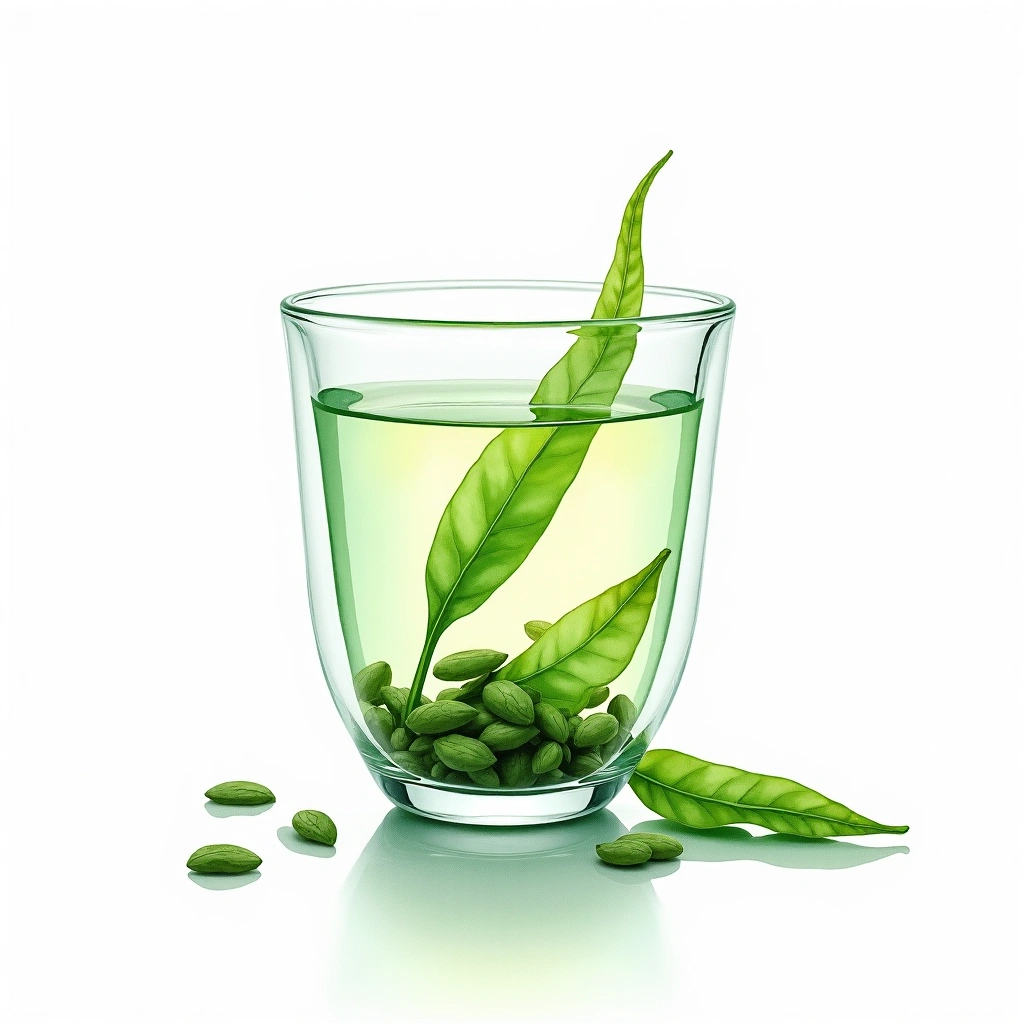
Longjing (Dragon Well) originates from China, has an oxidation level of 2%, contains about 18.0 mg caffeine per 100ml, is typically harvested in Spring (March-April), uses One bud one leaf, flat pressed leaves, grows best at 200-500m. Longjing, also called Dragon Well, is China's most celebrated green tea, produced near Hangzhou in Zhejiang province. The leaves are hand-pressed flat in a heated wok, creating.
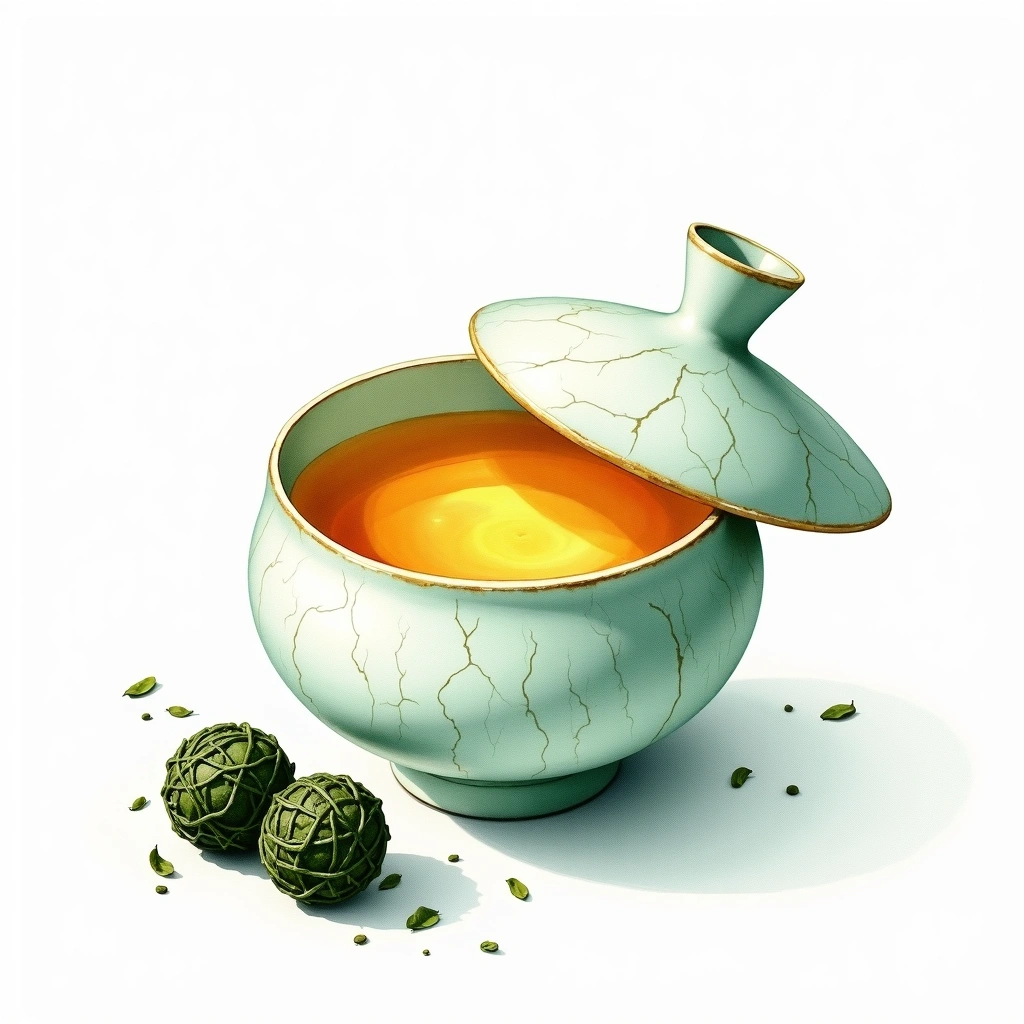
Tieguanyin (Iron Goddess) originates from China, has an oxidation level of 30%, contains about 25.0 mg caffeine per 100ml, is typically harvested in Spring, Autumn, uses Tightly rolled balls leaves, grows best at 400-1000m. Tieguanyin is one of China's most famous oolongs, originating from Anxi County in Fujian province. Named after the Buddhist goddess Guanyin, it comes in two styles: lightly.
The primary distinctions between Longjing (Dragon Well) and Tieguanyin (Iron Goddess) lie in oxidation level (2% vs 30%), caffeine content (18.0 vs 25.0 mg/100ml), tea category (Green Tea vs Oolong Tea). Understanding these differences helps tea drinkers navigate the wide world of tea varieties and discover the style that best matches their preferences.
Longjing (Dragon Well) originates from China, has an oxidation level of 2%, contains about 18.0 mg caffeine per 100ml, is typically harvested in Spring (March-April), uses One bud one leaf, flat pressed leaves, grows best at 200-500m. Longjing, also called Dragon Well, is China's most celebrated green tea, produced near Hangzhou in Zhejiang province. The leaves are hand-pressed flat in a heated wok, creating.
Tieguanyin (Iron Goddess) originates from China, has an oxidation level of 30%, contains about 25.0 mg caffeine per 100ml, is typically harvested in Spring, Autumn, uses Tightly rolled balls leaves, grows best at 400-1000m. Tieguanyin is one of China's most famous oolongs, originating from Anxi County in Fujian province. Named after the Buddhist goddess Guanyin, it comes in two styles: lightly.
The primary distinctions between Longjing (Dragon Well) and Tieguanyin (Iron Goddess) lie in oxidation level (2% vs 30%), caffeine content (18.0 vs 25.0 mg/100ml), tea category (Green Tea vs Oolong Tea). Understanding these differences helps tea drinkers navigate the wide world of tea varieties and discover the style that best matches their preferences.
Comparaisons associées
Découvrir la famille Beverage FYI
WhiskeyFYI
Whiskey