Pu-erh (Sheng / Raw) vs Pu-erh (Shou / Ripe)
Pu-erh (Sheng / Raw) vs Pu-erh (Shou / Ripe) — key differences in origin, oxidation, flavor, and brewing.
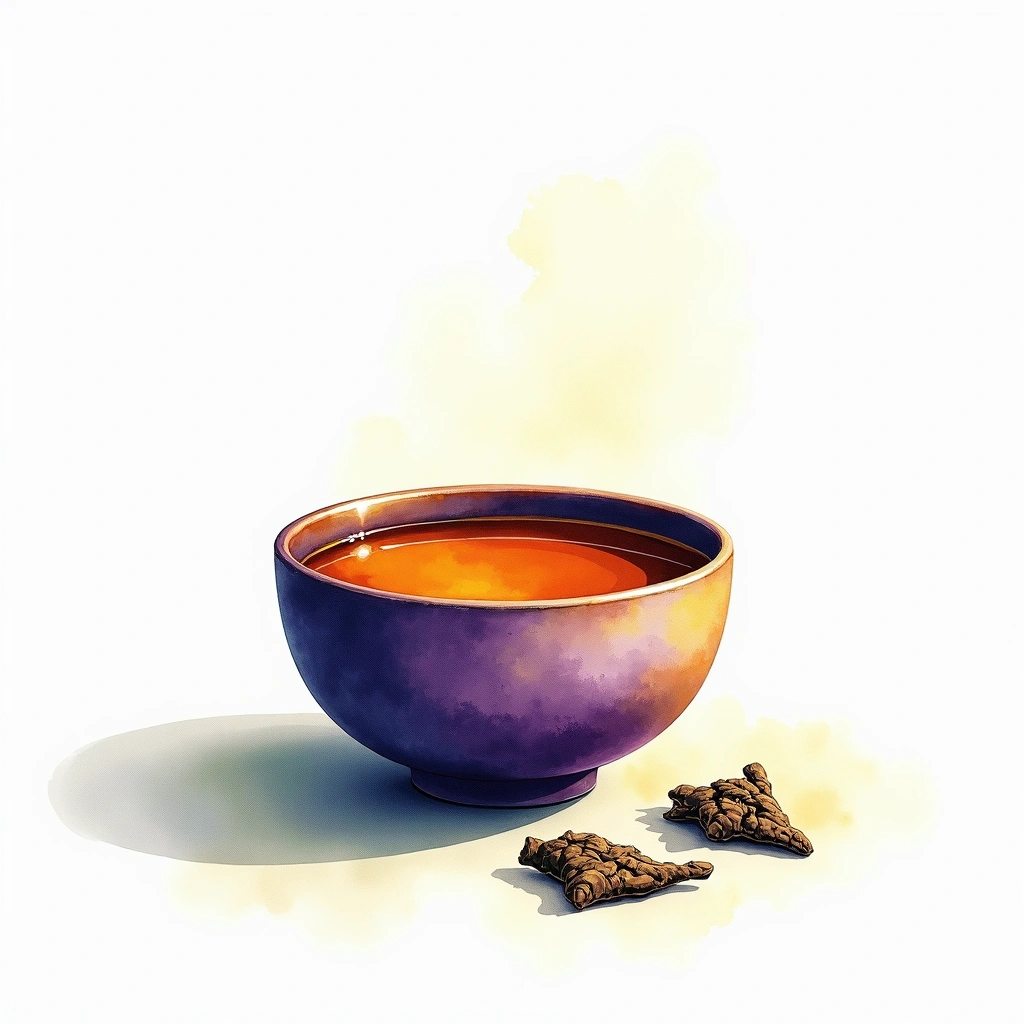
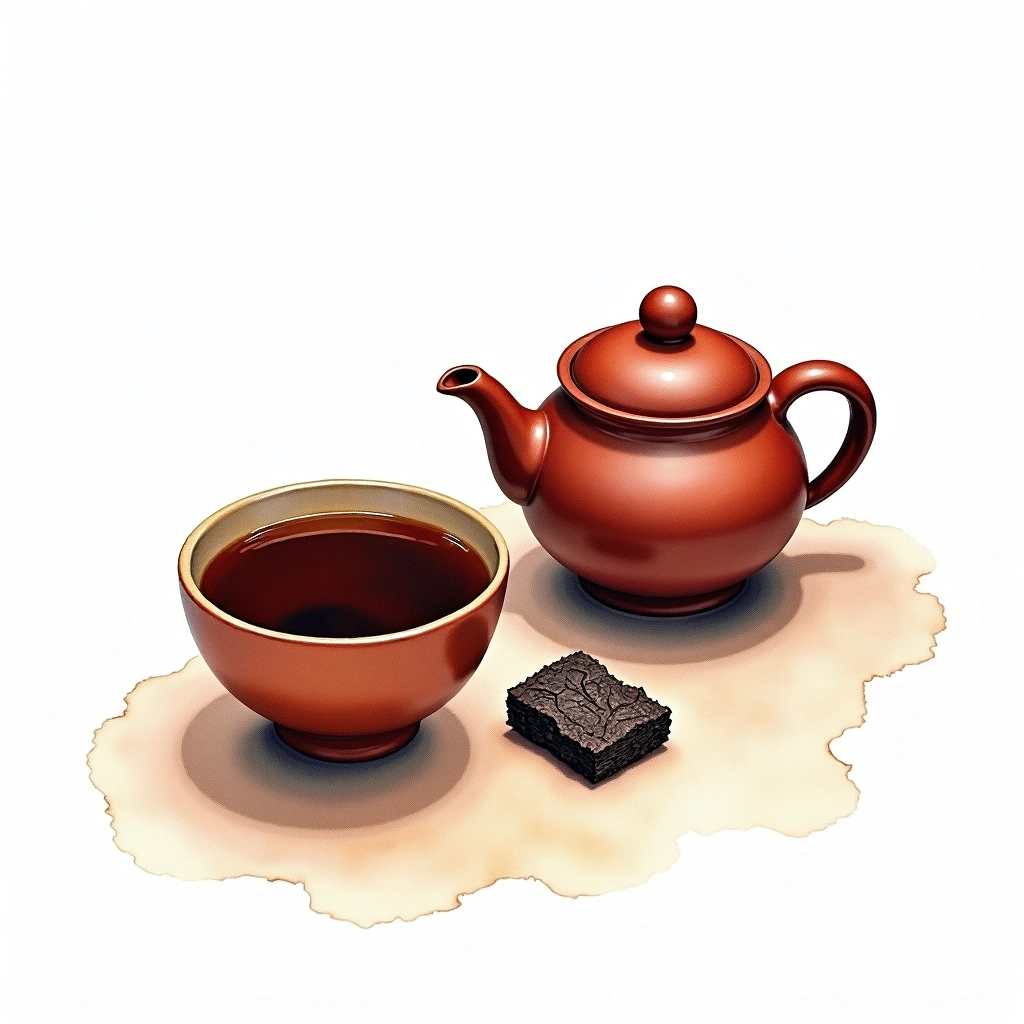
| Property | Pu-erh (Sheng / Raw) | Pu-erh (Shou / Ripe) |
|---|---|---|
| Category | Dark Tea | Dark Tea |
| Origin | China | China |
| Oxidation | 10% | 100% |
| Caffeine | 30.0 mg | 28.0 mg |
| Harvest Season | Spring (March-May) | Year-round |
| Leaf Type | One bud two to three leaves, compressed cake | Various, compressed or loose |
Comparison
Pu-erh (Sheng / Raw) and Pu-erh (Shou / Ripe) are two notable tea varieties that attract comparison from tea enthusiasts worldwide. Pu-erh (Sheng / Raw) belongs to the Dark Tea category. Comparing these varieties reveals key differences in origin, processing, flavor, and brewing approach.
Pu-erh (Sheng / Raw) originates from China, has an oxidation level of 10%, contains about 30.0 mg caffeine per 100ml, is typically harvested in Spring (March-May), uses One bud two to three leaves, compressed cake leaves, grows best at 1200-2200m. Sheng (raw) Pu-erh is a living tea that undergoes natural microbial transformation over years or decades when stored properly. Young sheng can be bright, astringent, and vegetal,.
Pu-erh (Shou / Ripe) originates from China, has an oxidation level of 100%, contains about 28.0 mg caffeine per 100ml, is typically harvested in Year-round, uses Various, compressed or loose leaves, grows best at 1000-2000m. Shou (ripe) Pu-erh uses an accelerated pile fermentation process (wo dui) developed in 1973 by the Kunming Tea Factory to simulate the flavor of aged sheng in weeks rather than.
The primary distinctions between Pu-erh (Sheng / Raw) and Pu-erh (Shou / Ripe) lie in oxidation level (10% vs 100%), caffeine content (30.0 vs 28.0 mg/100ml). Understanding these differences helps tea drinkers navigate the wide world of tea varieties and discover the style that best matches their preferences.
Pu-erh (Sheng / Raw) originates from China, has an oxidation level of 10%, contains about 30.0 mg caffeine per 100ml, is typically harvested in Spring (March-May), uses One bud two to three leaves, compressed cake leaves, grows best at 1200-2200m. Sheng (raw) Pu-erh is a living tea that undergoes natural microbial transformation over years or decades when stored properly. Young sheng can be bright, astringent, and vegetal,.
Pu-erh (Shou / Ripe) originates from China, has an oxidation level of 100%, contains about 28.0 mg caffeine per 100ml, is typically harvested in Year-round, uses Various, compressed or loose leaves, grows best at 1000-2000m. Shou (ripe) Pu-erh uses an accelerated pile fermentation process (wo dui) developed in 1973 by the Kunming Tea Factory to simulate the flavor of aged sheng in weeks rather than.
The primary distinctions between Pu-erh (Sheng / Raw) and Pu-erh (Shou / Ripe) lie in oxidation level (10% vs 100%), caffeine content (30.0 vs 28.0 mg/100ml). Understanding these differences helps tea drinkers navigate the wide world of tea varieties and discover the style that best matches their preferences.
Explore the Beverage FYI Family
WhiskeyFYI
Whiskey