Hojicha vs Matcha
Hojicha vs Matcha — key differences in origin, oxidation, flavor, and brewing.
| गुण | Hojicha | Matcha |
|---|---|---|
| श्रेणी | Green Tea | Green Tea |
| उत्पत्ति | Japan | Japan |
| ऑक्सीकरण | 3% | 0% |
| कैफीन | 8.0 mg | 34.0 mg |
| फसल का मौसम | Autumn | Spring (May) |
| पत्ती प्रकार | Roasted stems and leaves | Shade-grown, stone-ground powder |
तुलना
Hojicha and Matcha are two notable tea varieties that attract comparison from tea enthusiasts worldwide. Hojicha belongs to the Green Tea category. Comparing these varieties reveals key differences in origin, processing, flavor, and brewing approach.
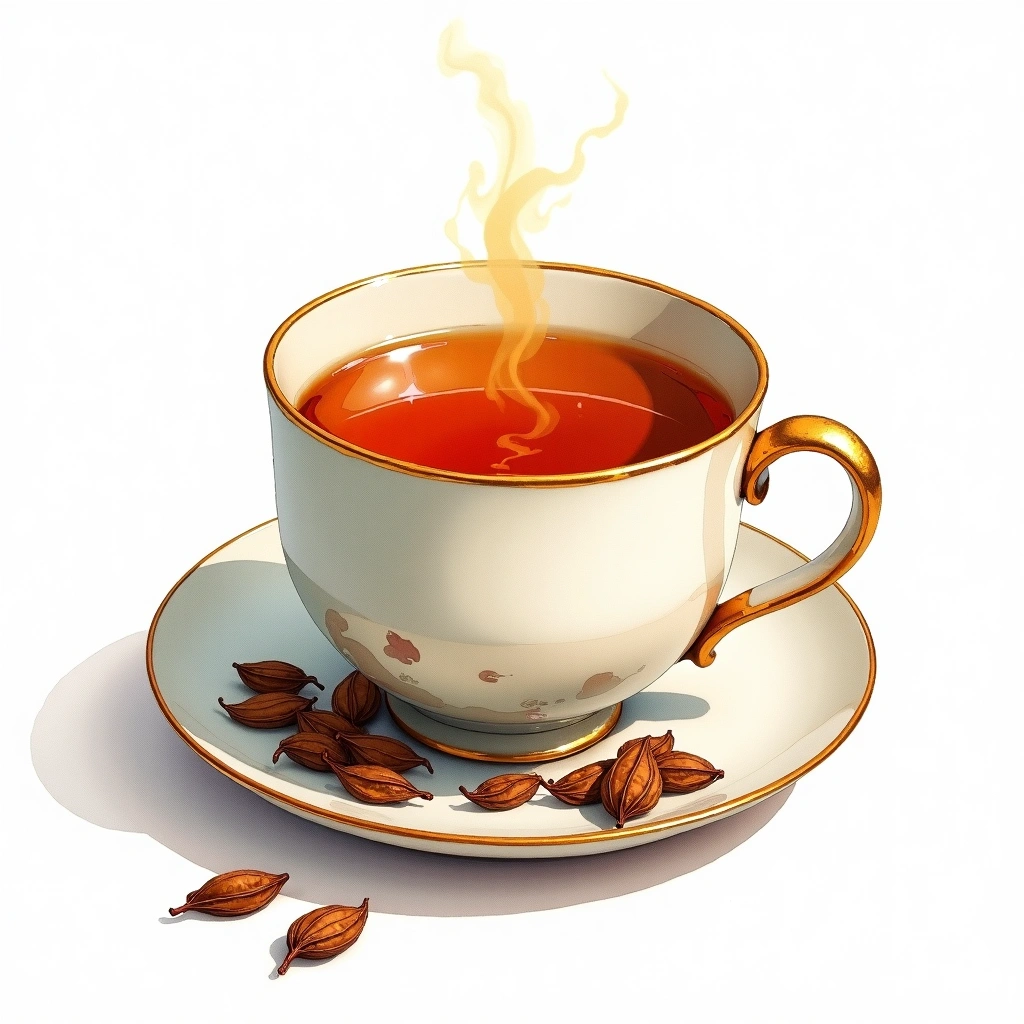
Hojicha originates from Japan, has an oxidation level of 3%, contains about 8.0 mg caffeine per 100ml, is typically harvested in Autumn, uses Roasted stems and leaves leaves, grows best at Low (0-300m). Hojicha is a Japanese roasted green tea made by firing bancha or kukicha leaves and stems at high temperatures. The roasting process transforms the tea into warm reddish-brown.
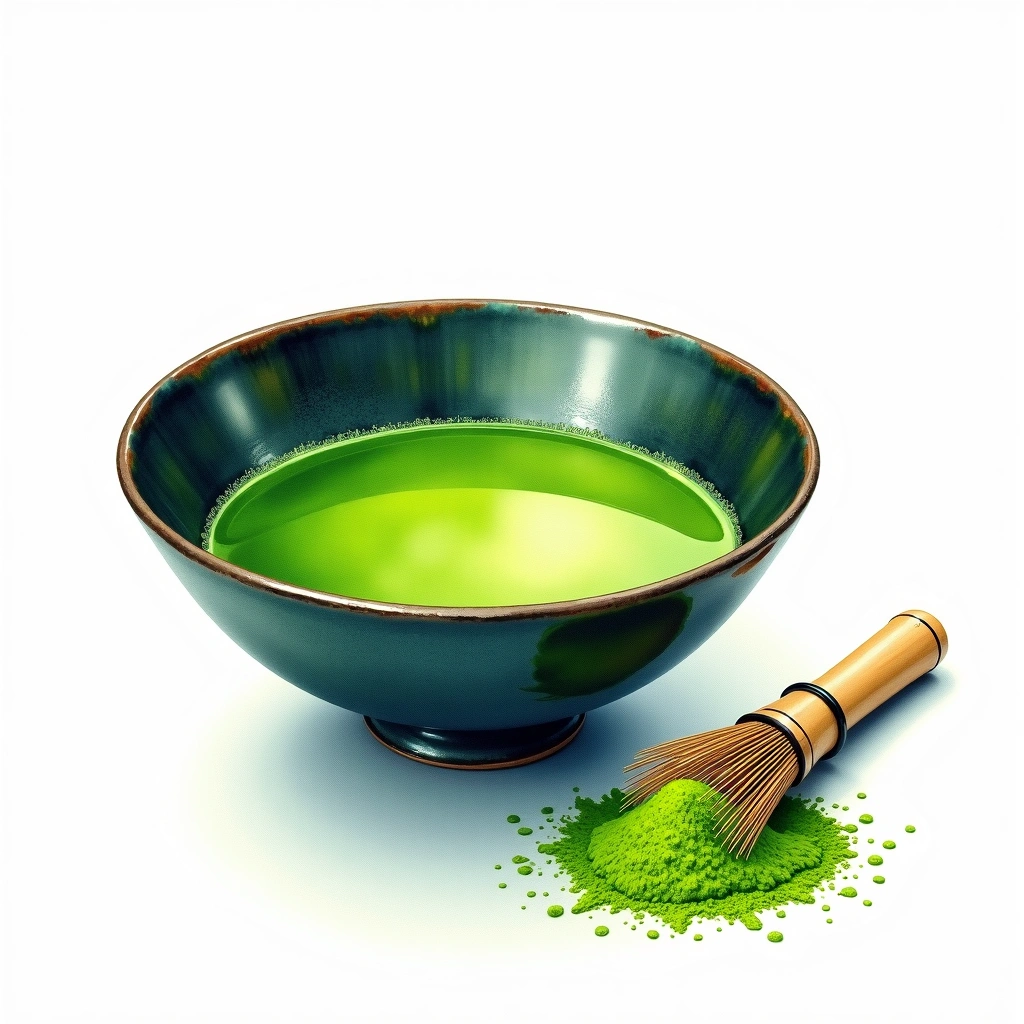
Matcha originates from Japan, has an oxidation level of 0%, contains about 34.0 mg caffeine per 100ml, is typically harvested in Spring (May), uses Shade-grown, stone-ground powder leaves, grows best at 200-600m. Matcha is a finely ground powder made from shade-grown green tea leaves. The shading process increases chlorophyll and L-theanine content, producing a vivid emerald color and rich.
The primary distinctions between Hojicha and Matcha lie in oxidation level (3% vs 0%), caffeine content (8.0 vs 34.0 mg/100ml). Understanding these differences helps tea drinkers navigate the wide world of tea varieties and discover the style that best matches their preferences.
Hojicha originates from Japan, has an oxidation level of 3%, contains about 8.0 mg caffeine per 100ml, is typically harvested in Autumn, uses Roasted stems and leaves leaves, grows best at Low (0-300m). Hojicha is a Japanese roasted green tea made by firing bancha or kukicha leaves and stems at high temperatures. The roasting process transforms the tea into warm reddish-brown.
Matcha originates from Japan, has an oxidation level of 0%, contains about 34.0 mg caffeine per 100ml, is typically harvested in Spring (May), uses Shade-grown, stone-ground powder leaves, grows best at 200-600m. Matcha is a finely ground powder made from shade-grown green tea leaves. The shading process increases chlorophyll and L-theanine content, producing a vivid emerald color and rich.
The primary distinctions between Hojicha and Matcha lie in oxidation level (3% vs 0%), caffeine content (8.0 vs 34.0 mg/100ml). Understanding these differences helps tea drinkers navigate the wide world of tea varieties and discover the style that best matches their preferences.
Related Comparisons
Explore the Beverage FYI Family
WhiskeyFYI
Whiskey