Yellow Tea Tea for Sleep Quality
Yellow Tea tea for sleep quality. Explore the compounds, evidence, and health connections of this tea category.
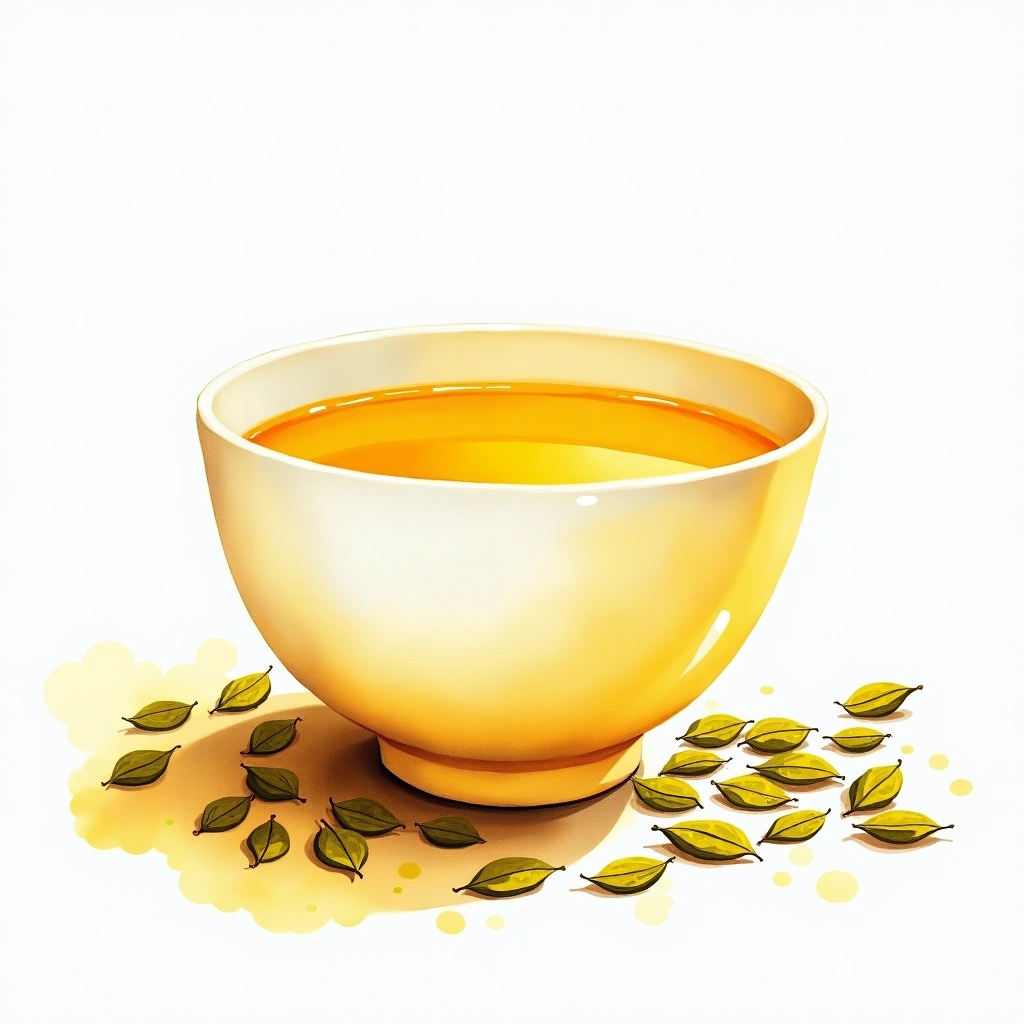
Yellow Tea
黄茶
Oxidation: 10-20%
Caffeine: 25 mg/100ml
Sleep Quality
Evidence: PreliminaryTea for sleep — L-theanine improves sleep quality without sedation. Low-caffeine evening teas support rest.
About
Yellow Tea tea and its potential role in sleep quality is a topic of growing interest among tea enthusiasts and health-conscious consumers. This combination explores how the specific compounds and processing methods of Yellow Tea tea relate to this particular health benefit.
Yellow Tea tea (黄茶) has an oxidation range of 10-20%, which affects the concentration of bioactive compounds, contains approximately 25 mg of caffeine per 100ml, is known for its Mellow, sweet, slightly nutty, flavor profile. The processing method — Similar to green tea processing, but includes an additional step called 'men huang' (sealed yellowing) where warm, damp leaves are wrapped and allowed to oxidize gently before — influences which health-promoting compounds are preserved or transformed in the final tea.
Sleep Quality is a health benefit associated with tea consumption, supported by preliminary evidence. While tea contains caffeine (a sleep disruptor), L-theanine and GABA in tea can paradoxically support sleep quality when consumed earlier in the day or as decaffeinated/GABA-enriched tea in the evening. L-theanine at 200mg has been shown to improve.
Understanding the relationship between Yellow Tea tea and sleep quality helps tea drinkers make informed choices about which teas may support their wellness goals. The specific processing and compound profile of Yellow Tea tea means its contribution to sleep quality may differ from other tea categories, making this an informative comparison for anyone interested in the health dimensions of tea.
Yellow Tea tea (黄茶) has an oxidation range of 10-20%, which affects the concentration of bioactive compounds, contains approximately 25 mg of caffeine per 100ml, is known for its Mellow, sweet, slightly nutty, flavor profile. The processing method — Similar to green tea processing, but includes an additional step called 'men huang' (sealed yellowing) where warm, damp leaves are wrapped and allowed to oxidize gently before — influences which health-promoting compounds are preserved or transformed in the final tea.
Sleep Quality is a health benefit associated with tea consumption, supported by preliminary evidence. While tea contains caffeine (a sleep disruptor), L-theanine and GABA in tea can paradoxically support sleep quality when consumed earlier in the day or as decaffeinated/GABA-enriched tea in the evening. L-theanine at 200mg has been shown to improve.
Understanding the relationship between Yellow Tea tea and sleep quality helps tea drinkers make informed choices about which teas may support their wellness goals. The specific processing and compound profile of Yellow Tea tea means its contribution to sleep quality may differ from other tea categories, making this an informative comparison for anyone interested in the health dimensions of tea.